Ortho GroundClear Concentrate Mixing Instructions: A Comprehensive Guide
Navigating weed control demands precision; this guide details Ortho GroundClear concentrate mixing, covering safety, ratios, and application for optimal results․
Understanding Ortho GroundClear Concentrate
Ortho GroundClear Concentrate is a powerful, non-selective herbicide designed to eliminate a broad spectrum of weeds, grasses, and brush․ It contains glyphosate, an active ingredient that disrupts plant enzyme function, leading to complete vegetation control․ This concentrate requires dilution with water before application, making precise mixing crucial for effectiveness and safety․
Unlike ready-to-use formulations, the concentrate offers cost-effectiveness and flexibility, allowing users to tailor the solution strength to specific weed challenges․ Understanding its potency is key; improper dilution can harm desirable plants or reduce the herbicide’s impact on targeted weeds․ Always refer to the product label for specific instructions and safety guidelines before handling and mixing․
What is Ortho GroundClear Concentrate Used For?
Ortho GroundClear Concentrate is a versatile herbicide primarily used for total vegetation control – eliminating all plants in a designated area․ Common applications include preparing sites for landscaping, renovating lawns, controlling weeds in driveways and walkways, and managing unwanted vegetation along fences and foundations․
It’s effective against both annual and perennial weeds, including crabgrass, dandelions, poison ivy, and brush․ However, it’s non-selective, meaning it will kill any plant it contacts․ Therefore, careful application is essential to avoid damaging desirable plants․ This concentrate is ideal for areas where complete vegetation removal is desired and replanting is planned later․
Available Sizes and Formulations
Ortho GroundClear Concentrate is commonly available in various sizes to suit different needs, typically ranging from 32 ounces to 1 gallon containers․ The formulation is a clear, water-based solution containing glyphosate, the active ingredient responsible for its herbicidal action․
It’s crucial to note that Ortho GroundClear is generally sold as a concentrate, requiring dilution with water before application – hence the importance of precise mixing instructions․ While variations exist, the standard concentrate formulation remains consistent across most retailers․ Always check the product label for the specific concentration and recommended dilution ratios for your intended use․
Safety Precautions Before Mixing
Prioritize safety! Wear protective gear, consider environmental impact, and familiarize yourself with first aid procedures before handling Ortho GroundClear concentrate․
Personal Protective Equipment (PPE) Required
Protecting yourself during mixing is paramount․ Always wear long-sleeved shirts, long pants, and chemical-resistant gloves – nitrile or neoprene are excellent choices – to prevent skin contact․ Eye protection is crucial; utilize safety glasses or a face shield to guard against splashes․
Consider wearing a respirator, especially when mixing indoors or in poorly ventilated areas, to avoid inhaling concentrate vapors․ Closed-toe shoes are also essential․ Thoroughly wash hands, arms, and any exposed skin with soap and water immediately after handling the concentrate and before eating, drinking, or smoking․ Keep PPE clean and store it separately from other clothing․
Environmental Considerations
Responsible application protects our surroundings․ Avoid mixing Ortho GroundClear near water sources like lakes, rivers, or wells to prevent contamination․ Do not mix or apply on windy days, as drift can affect non-target plants and areas․
Be mindful of beneficial insects and pollinators; avoid direct application to flowering plants․ Clean up any spills immediately using absorbent materials and dispose of them properly․ Follow local regulations regarding herbicide use and disposal․ Consider using spot treatments instead of broad applications to minimize environmental impact․ Protect surrounding vegetation with shields during spraying․
First Aid Information
Immediate action is crucial in case of exposure․ If swallowed, do not induce vomiting; call a poison control center or doctor immediately․ For eye contact, flush thoroughly with water for 15-20 minutes and seek medical attention․
If the product gets on skin, wash immediately with soap and water․ Remove contaminated clothing and launder before reuse․ In case of inhalation, move to fresh air․ If irritation persists after any exposure, consult a medical professional․ Keep the product container handy for reference when seeking medical advice․ Always read and understand the full product label before use․

Mixing Instructions: General Guidelines
Accurate mixing ensures efficacy and safety․ Always follow label instructions, use clean equipment, and add concentrate to water—never reverse the process․
Required Tools and Equipment
Successful mixing necessitates specific tools for accuracy and safety․ You’ll need a calibrated measuring cup or spoon dedicated solely for herbicide use – avoid using kitchen utensils! A clean, appropriately sized sprayer is crucial; choose one suitable for the area you intend to treat․ Protective eyewear, gloves, and potentially a face mask are essential personal protective equipment (PPE)․
A mixing container, clearly labeled for herbicide use only, prevents cross-contamination․ Consider a funnel for easier pouring and minimizing spills․ Access to a reliable water source is vital, and a stirring stick or the sprayer’s built-in agitator will ensure thorough mixing․ Finally, have paper towels readily available for cleanup, and a dedicated space for mixing away from living areas and water sources․
Water Quality Considerations
Water quality significantly impacts Ortho GroundClear’s effectiveness․ Ideally, use clean, clear water free from sediment or debris․ Hard water, containing high mineral content, can reduce herbicide efficacy, potentially requiring slightly increased concentrate amounts – consult the product label․ Avoid using water that is visibly discolored or has a strong odor․
Well water should be tested periodically for mineral content and pH levels․ Pond or standing water is generally unsuitable due to potential algae or bacterial contamination․ Municipal water sources are usually acceptable, but allowing it to sit for 24 hours can dissipate chlorine․ Always add the concentrate to the water, never the reverse, to ensure proper dispersion․
Calculating the Correct Mixture Ratio
Accurate mixing is crucial for both effectiveness and safety․ Ortho GroundClear concentrate requires dilution with water, and the ratio varies based on the target weeds and application method․ Always refer to the product label for specific instructions – it’s the law! Typically, ratios are expressed as ounces of concentrate per gallon of water․
For example, a common ratio might be 2 ounces per gallon for general weed control․ To calculate for larger volumes, multiply the desired ratio by the total gallons needed․ Double-check your calculations to avoid under or over-application, which can harm plants or reduce efficacy․
Specific Mixing Ratios for Different Applications
Tailoring the concentrate strength to the task ensures optimal weed control; varying ratios address spot treatments, general applications, and stubborn, hard-to-kill weeds․
Mixing for Spot Treatment
For targeted weed elimination, a precise spot treatment mixture is crucial․ Begin with a lower concentration to minimize surrounding plant impact․ Typically, a ratio of 1 to 1․5 ounces of Ortho GroundClear concentrate per gallon of water proves effective for individual weeds or small patches․
Ensure thorough coverage of the weed’s foliage, aiming for complete wetting without excessive runoff․ This method is ideal for dandelions, clover, or other isolated weeds within a desirable lawn or garden․ Remember to carefully measure both the concentrate and water to achieve the correct ratio, promoting efficient weed control while safeguarding nearby plants․ Always refer to the product label for specific recommendations․

Mixing for General Weed Control
Broad-scale weed control necessitates a slightly stronger mixture for comprehensive coverage․ A common ratio involves combining 2 to 3 ounces of Ortho GroundClear concentrate with each gallon of water․ This concentration effectively tackles widespread weed infestations across larger areas, such as driveways, patios, or extensive lawn sections․
Apply the mixture evenly across the targeted area, ensuring complete coverage of all visible weeds․ Avoid spraying on windy days to prevent drift onto desirable plants․ This approach is suitable for controlling common weeds like crabgrass, chickweed, and plantain․ Always consult the product label for specific application guidelines and safety precautions․
Mixing for Hard-to-Kill Weeds
Persistent weeds demand a more potent solution for effective eradication․ For tackling stubborn species like bindweed, poison ivy, or thistle, increase the concentrate ratio to 4 to 6 ounces per gallon of water․ This stronger mixture penetrates deeper into the root systems, maximizing the herbicide’s impact․
Carefully apply this concentrated solution directly to the weed foliage, avoiding contact with desirable plants․ Multiple applications may be necessary for complete control, especially for well-established weeds․ Always prioritize safety by wearing appropriate protective gear and following label instructions meticulously․ This method is best reserved for targeted treatments of particularly resilient weeds․
Step-by-Step Mixing Process
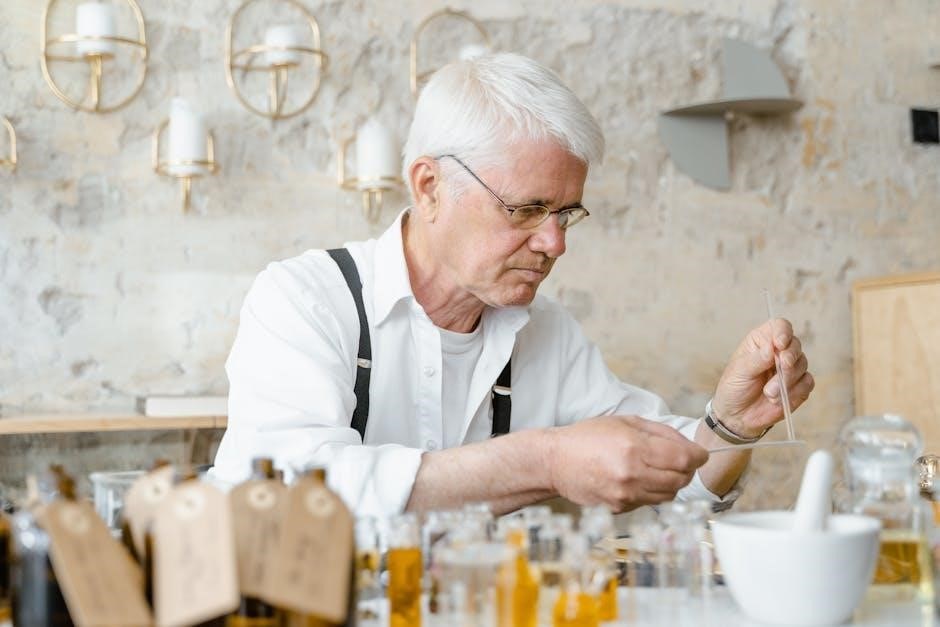
Precise mixing ensures efficacy and safety․ Follow these steps: measure concentrate, add water to the sprayer, combine, and agitate thoroughly for a uniform solution․
Step 1: Measuring the Concentrate
Accurate measurement is paramount for effective weed control․ Begin by carefully consulting the label for the specific application rate – spot treatment versus general weed control dictates the concentrate volume․ Utilize a calibrated measuring cup or device designed for liquids; household measuring tools may lack the necessary precision․
Pour the required amount of Ortho GroundClear Concentrate directly into the sprayer tank․ Avoid spilling, as direct contact can cause irritation․ Double-check your measurement against the label’s instructions to prevent over or under-application․ Remember, more isn’t always better; adhering to the recommended ratio is crucial for both safety and efficacy․
Proper measurement sets the foundation for a successful application, minimizing waste and maximizing results․
Step 2: Adding Water to the Sprayer
Following concentrate measurement, introduce water into the sprayer tank․ The amount of water needed varies based on the desired spray volume and the application rate specified on the Ortho GroundClear label․ It’s generally best to add approximately half the total water volume initially․
Ensure the water source is of good quality – avoid using water that is heavily mineralized or contaminated, as this can affect the product’s performance․ Fill the sprayer tank to slightly below the maximum fill line, leaving room for agitation and preventing overflow during mixing․
This initial water addition prepares the tank for the concentrate, facilitating a more homogenous mixture․
Step 3: Combining Concentrate and Water
With water partially filling the sprayer, carefully pour the pre-measured Ortho GroundClear concentrate into the tank․ Avoid pouring directly onto the sides of the sprayer, aiming for the center to ensure even distribution․
Gradually add the concentrate while observing the water level, ensuring it doesn’t exceed the sprayer’s maximum capacity․ It’s crucial to adhere to the mixing ratios detailed on the product label for the specific application – spot treatment versus general weed control requires different concentrations․
Adding concentrate to partially filled water minimizes splashing and promotes better mixing․
Step 4: Agitating the Mixture
Once the concentrate and water are combined, thorough agitation is paramount for a homogenous solution․ Secure the sprayer lid tightly and invert the sprayer several times, ensuring the mixture circulates completely․
Alternatively, if your sprayer has an internal mixing mechanism, activate it according to the manufacturer’s instructions․ Continue agitating for at least one minute to guarantee the concentrate is fully dissolved and evenly dispersed throughout the water․
Proper agitation prevents uneven application and ensures consistent weed control efficacy․ Re-agitate periodically during use if the mixture settles․

Sprayer Calibration and Application
Accurate application hinges on calibration; ensure your sprayer delivers the correct mixture volume for effective weed control and minimize product waste․
Calibrating Your Sprayer
Precise sprayer calibration is crucial for delivering the intended herbicide rate, avoiding under-treatment or wasteful over-application․ Begin by filling your sprayer with plain water to the desired fill level․ Measure a known area – for example, 1,000 square feet․ Spray the water over this area, timing how long it takes․
Calculate your sprayer’s output in gallons per 1,000 square feet using the formula: (Gallons Used / 1,000) = Gallons Per 1,000 sq ft․ Adjust your walking speed and nozzle settings to achieve the target application rate․ Repeat this process several times to ensure consistency․ Remember to account for nozzle wear and tear, which can affect output․ Regularly check and clean your nozzles for optimal performance․
Application Techniques for Optimal Results
Effective application maximizes Ortho GroundClear’s impact․ Spray when weeds are actively growing and temperatures are between 50°F and 85°F․ Avoid application during windy conditions to prevent drift onto desirable plants․ Use a coarse spray pattern to minimize misting․
Thoroughly wet all weed foliage, but avoid runoff․ For hard-to-control weeds, consider a second application 2-4 weeks after the first․ Spot treat individual weeds rather than blanket spraying large areas․ Monitor treated areas and reapply as needed, following label instructions․ Always prioritize safety and environmental responsibility during application․
Avoiding Runoff and Drift
Minimizing environmental impact is crucial when using Ortho GroundClear․ Avoid spraying on windy days, as even a slight breeze can carry the spray to unintended areas․ Utilize a low-pressure sprayer and a coarse spray nozzle to produce larger droplets, reducing drift potential․
Apply the herbicide when the ground is not saturated to prevent runoff․ Avoid spraying on slopes or near waterways․ Consider using a shield or guard to protect desirable plants․ Regularly inspect your equipment for leaks and ensure proper calibration to deliver the correct amount of product․

Troubleshooting Common Mixing Issues
Encountering problems? This section addresses concentrate dissolving, sprayer clogging, and incorrect mixture strength, offering solutions for smooth and effective Ortho GroundClear application․
Concentrate Not Dissolving
Difficulty dissolving the Ortho GroundClear concentrate is a common issue, often stemming from water temperature or inadequate agitation․ Ensure the water used is lukewarm, as cold water can hinder proper dissolution․ Begin by adding a small amount of water to the sprayer, then slowly pour in the concentrate while continuously agitating the mixture․
Avoid adding the concentrate before sufficient water; this can cause clumping․ If clumping persists, increase agitation speed or utilize a sprayer with a built-in mixing mechanism․ Inspect the sprayer nozzle for any partial blockages that might impede flow․ A thorough cleaning of the sprayer components may be necessary․ Remember, complete dissolution is crucial for uniform application and optimal weed control effectiveness․
Sprayer Clogging
Sprayer clogging during Ortho GroundClear application is frustrating, typically caused by undissolved concentrate particles or debris within the sprayer system․ Prior to mixing, ensure the concentrate is fully dissolved using lukewarm water and vigorous agitation, as previously detailed․ Always filter the mixture through a fine-mesh screen or cloth during the filling process to remove potential contaminants․
If clogging occurs mid-application, immediately stop and inspect the nozzle․ Disassemble and clean the nozzle thoroughly with warm, soapy water, using a small brush to remove any obstructions․ Flush the entire sprayer system with clean water to eliminate residual particles․ Preventative maintenance, including regular cleaning, is key to avoiding future clogging issues․
Incorrect Mixture Strength
Applying Ortho GroundClear with an incorrect mixture strength significantly impacts effectiveness․ Too weak a solution may fail to control weeds, necessitating re-application and wasting product․ Conversely, an overly concentrated mixture risks damaging desirable plants and potentially harming the environment․
Always meticulously measure both the concentrate and water according to the recommended ratios for your specific application, as outlined earlier․ Double-check calculations and utilize calibrated measuring tools for accuracy․ If unsure, err on the side of a slightly weaker mixture, as increasing concentration is easier than diluting an over-strong solution․ Consistent calibration is crucial․
Storage and Disposal
Properly storing Ortho GroundClear and disposing of leftover mixtures is vital for safety, environmental protection, and maintaining product integrity over time․
Proper Storage of Ortho GroundClear Concentrate
Maintaining the integrity of Ortho GroundClear Concentrate relies heavily on correct storage practices․ Always store the concentrate in its original, tightly sealed container․ This prevents accidental spills, contamination, and degradation of the formula․ Choose a cool, dry, and well-ventilated location, away from direct sunlight and extreme temperatures – avoid freezing conditions․
Crucially, store the concentrate out of reach of children and pets․ A locked cabinet or storage area is highly recommended․ Keep it separate from food, feed, and other pesticides to prevent cross-contamination․ Regularly inspect the container for any signs of damage, such as leaks or corrosion․ If damage is detected, transfer the concentrate to a new, compatible container, clearly labeled with the product name and hazard warnings․
Safe Disposal of Leftover Mixture
Properly disposing of leftover Ortho GroundClear mixture is vital for environmental protection and safety․ Never pour unused concentrate or diluted solution down the drain, into sewers, or onto the ground․ These actions can contaminate water sources and harm ecosystems․ Instead, follow the disposal instructions provided on the product label – these are legally mandated and specific to the formulation․
Typically, small amounts of diluted mixture can be absorbed with an inert material like kitty litter or sawdust, then placed in a sealed container for disposal․ Contact your local waste management authority for guidance on hazardous waste disposal options in your area․ Larger quantities may require professional hazardous waste disposal services․
Container Recycling Information
Empty Ortho GroundClear concentrate containers should be handled responsibly to minimize environmental impact․ Before recycling, ensure the container is completely empty – triple rinsing is highly recommended to remove all residual product․ This rinsing water should be added to the spray tank during a subsequent application or disposed of properly as per label instructions․
Check with your local recycling facilities to determine if they accept plastic containers of this type (typically HDPE – High-Density Polyethylene)․ Recycling guidelines vary by location; some facilities may require specific preparation, like removing labels or caps․ If recycling isn’t available, dispose of the rinsed container in accordance with local regulations for trash disposal․