The Kia Stinger and Its Transmission Landscape
The Kia Stinger, a compelling sports sedan, has a distinct transmission landscape. Despite ongoing curiosity about manual options, the vehicle’s production models consistently feature advanced automatic systems. This design choice fundamentally shapes its dynamic driving experience and market presence.
Initial Perceptions of a Manual Stinger
Upon its unveiling, the Kia Stinger, with its sleek design and rear-wheel-drive architecture, sparked considerable discussion among automotive enthusiasts. Many, captivated by its sporting aspirations and powerful engine options, harbored an initial perception that a manual transmission would be offered. The very idea of a driver-focused, engaging sports sedan from Kia naturally led some to anticipate a traditional stick shift, aligning with the purist ethos often associated with such performance vehicles. This expectation stemmed from a desire for a more visceral connection between driver and machine, a hallmark of true enthusiast-grade cars.
For a segment of the market, the presence of a manual gearbox is synonymous with an authentic driving experience, offering unparalleled control and direct involvement. Therefore, as initial details of the Stinger’s powertrain emerged, hopes were high for a three-pedal setup, especially for the more potent GT variants. This early optimism reflected a belief that Kia would cater to the enthusiast community seeking maximum driving engagement. However, these initial perceptions and widespread desires ultimately diverged from the production reality, as Kia opted for a different transmission strategy.
The Reality: Automatic Transmission Focus
Contrary to initial hopes among enthusiasts, the Kia Stinger was launched and continued its production run exclusively featuring an advanced automatic transmission across all its trim levels. This strategic decision by Kia underscored a focus on broader market appeal and performance optimization, rather than catering to the niche demand for a traditional manual gearbox. The standard offering is a sophisticated 8-speed automatic, meticulously engineered to deliver both smooth, comfortable cruising and rapid, responsive shifts when driven enthusiastically, ensuring a versatile driving experience.
This robust automatic transmission is integral to the Stinger’s character, providing seamless power delivery for its powerful engines, including the prominent 3.3 T-GDI found in the GT models. Kia engineered this gearbox with modern features, demonstrating a commitment to advanced automotive technology. The absence of a manual option from the factory production solidified Kia’s intention to position the Stinger as a high-performance grand tourer that prioritizes refinement, efficiency, and ease of use in its power delivery system for a wider audience.
Understanding “Manual Transmission” in the Stinger Context
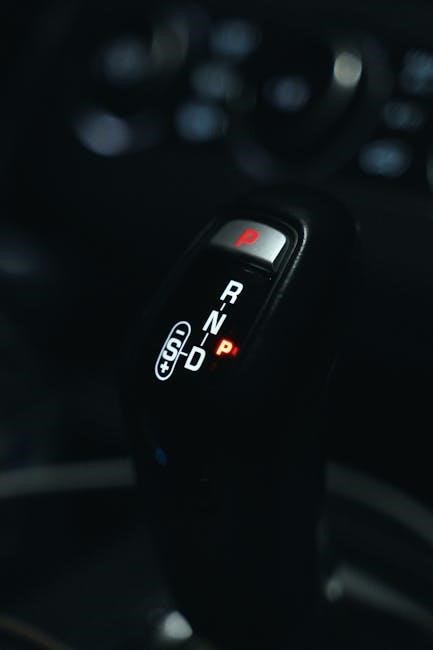
For the Kia Stinger, “manual transmission” refers not to a traditional stick shift and clutch, but to the manual control modes available within its automatic gearbox. This distinction is crucial, as the car offers features designed to mimic manual operation, allowing drivers greater engagement without a true manual setup.
The “Full Manual Over-Ride” Feature on 2019 Stinger
The 2019 Kia Stinger notably featured a “full manual over-ride” capability, a point of keen interest and discussion among enthusiasts on forums like kiastinger.org. Crucially, this was not a traditional manual transmission requiring a clutch pedal and physical gear lever. Instead, it represented an advanced operational mode embedded within the Stinger’s sophisticated automatic gearbox.
This feature allowed drivers to directly influence gear selection, moving beyond the system’s standard automated shifts. Engaging the over-ride, typically through steering wheel-mounted paddle shifters or a specific gate on the console selector, drivers could command sequential upshifts and downshifts. This provided a more engaging, interactive driving experience, enabling precise gear holding for spirited performance or controlled engine braking. While offering this manual-like feel, the transmission retained essential electronic safeguards, preventing potential damage. It highlighted Kia’s approach to driver involvement without a conventional manual option.
Paddle Shifters and Tiptronic Modes
The Kia Stinger, while lacking a traditional manual transmission, provides an engaging driving experience through its paddle shifters and Tiptronic modes. These features are integral to the Stinger’s sophisticated automatic gearbox, allowing for significant manual control. Conveniently located behind the steering wheel, the paddle shifters enable rapid upshifts and downshifts, simulating a manual gearbox without a clutch pedal. This functionality is highly valued by enthusiasts seeking greater command over vehicle dynamics, particularly during spirited driving or when navigating challenging roads effectively.
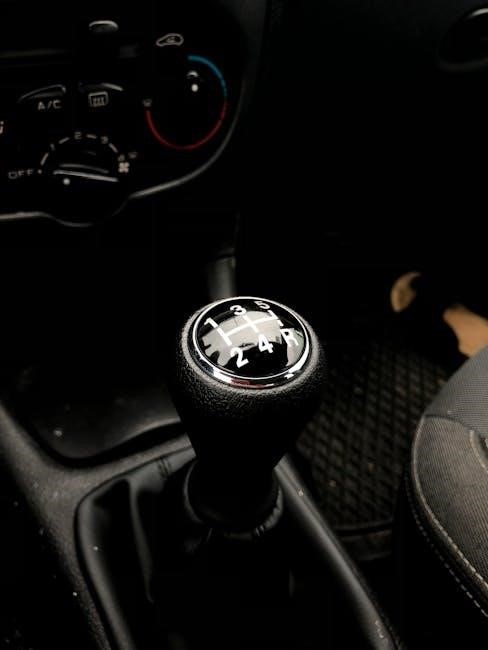
The Tiptronic mode, typically engaged by moving the console gear selector to a manual gate or using the paddles, grants the driver direct control over gear selection. In this mode, the transmission maintains the chosen gear until a driver-initiated shift. It will also automatically upshift at the redline to prevent engine damage, and downshift if engine RPMs drop too low. This semi-manual operation provides an intuitive interface for managing power delivery and engine braking, enhancing the Stinger’s sporty character and overall driving involvement.
Distinguishing Manual Mode from True Manual Gearbox
Differentiating the Kia Stinger’s “manual mode” from a true manual gearbox is crucial. The Stinger is exclusively equipped with an automatic transmission. Its manual mode, activated via paddle shifters or Tiptronic, allows the driver to request gear changes. While offering control, it remains an automatic system. The vehicle’s computer manages clutch engagement and disengagement, as there is no physical clutch pedal for the driver. Furthermore, automatic transmissions in manual mode incorporate safeguards, such as automatic upshifts at redline to prevent engine damage, and forced downshifts if engine RPM drops too low, protecting the drivetrain.
Conversely, a true manual gearbox involves a driver-operated clutch pedal and a direct H-pattern shifter. This setup offers complete mechanical engagement, demanding the driver to manually depress the clutch, physically select the gear, and then carefully release it. This direct mechanical interaction is entirely absent in the Stinger’s automatic “manual mode,” which solely transmits electronic commands to the transmission, providing an override function rather than a fully manual driving experience.

Technical Aspects of the Stinger’s Automatic Gearbox

The Stinger’s automatic gearbox incorporates a shift-by-wire system for precise control. It features a transmission with a centrifugal pendulum absorber, optimizing performance and refinement. For instance, the KIA STINGER GT 3.3 T-GDI specifically utilizes the gearbox code 2DK2, reflecting its advanced engineering.
Automatic Transmission Shift-by-Wire System
The Kia Stinger’s automatic transmission employs a sophisticated shift-by-wire system, a key technological advancement in its gearbox architecture. This innovative design replaces the traditional mechanical linkage between the gear selector and the transmission with electronic signals, ensuring incredibly precise and smooth gear changes. This digital interface allows for a more compact and flexible interior layout, freeing designers from the constraints of physical rods and cables. Moreover, the shift-by-wire technology significantly enhances the responsiveness of the transmission, delivering quicker engagement and disengagement of gears. This contributes directly to the Stinger’s dynamic driving characteristics, allowing its powerful engines to transfer power to the wheels with minimal delay and maximum efficiency. The system’s electronic nature also facilitates seamless integration with the vehicle’s various drive modes, enabling the transmission to adapt its shifting logic instantly to suit different driving conditions, from comfortable cruising to aggressive performance driving. This modern approach underscores the Stinger’s high-tech engineering.
Transmission with Centrifugal Pendulum Absorber
A notable technical aspect of the Kia Stinger’s automatic gearbox is the incorporation of a centrifugal pendulum absorber. This advanced component is strategically integrated into the transmission system to significantly enhance refinement and reduce NVH (Noise, Vibration, and Harshness) levels. Its primary function is to counteract torsional vibrations that typically arise from the engine’s power pulses, especially at lower RPMs or under high load. By effectively absorbing these rotational oscillations, the centrifugal pendulum absorber ensures smoother operation and a more comfortable driving experience. This technology is particularly beneficial for high-performance vehicles like the Stinger, where powerful engines can generate substantial vibrations. The result is a quieter cabin, reduced fatigue for occupants, and a more direct and refined power delivery through the drivetrain. This sophisticated engineering choice underscores Kia’s commitment to combining robust performance with luxurious comfort, distinguishing the Stinger’s automatic transmission as a highly engineered unit designed for optimal driving dynamics and passenger enjoyment.
Specific Gearbox Codes: KIA STINGER GT 3.3 T-GDI 2DK2
For the high-performance Kia Stinger GT 3.3 T-GDI model, the sophisticated 8-speed automatic transmission is identified by specific gearbox codes, a prominent example being ‘2DK2’. This designation is crucial for various aspects of the vehicle’s lifecycle, from its initial manufacturing and assembly to aftermarket parts procurement and specialized servicing. The ‘2DK2’ code precisely pinpoints the exact variant of the robust automatic transmission fitted to these powerful Stingers, equipped with the twin-turbo V6 engine. Knowing this specific code is indispensable for automotive technicians, enabling them to accurately order appropriate replacement components, perform correct diagnostic procedures, and ensure that any maintenance or repair work strictly aligns with the detailed technical specifications inherent to that particular gearbox. It acts as a definitive identifier, differentiating it from other potential transmission variants that might exist across different engine configurations or model years within Kia’s lineup. This level of specific coding underscores the intricate engineering involved in the Stinger’s advanced powertrain, proving vital for maintaining the vehicle’s optimal performance, reliability, and ensuring longevity throughout its operational life. Owners and authorized service centers frequently refer to these precise codes for absolute clarity and accuracy in all transmission-related matters.

The Absence of a Traditional Manual Stinger Offering
Despite enthusiast hopes, the Kia Stinger was never equipped with a conventional manual transmission from the factory. All production models exclusively featured an automatic gearbox, reflecting a strategic decision by Kia. This cemented its position as a performance sedan relying solely on automatic shifting.
Market Trends and Demand for Manual Sports Sedans
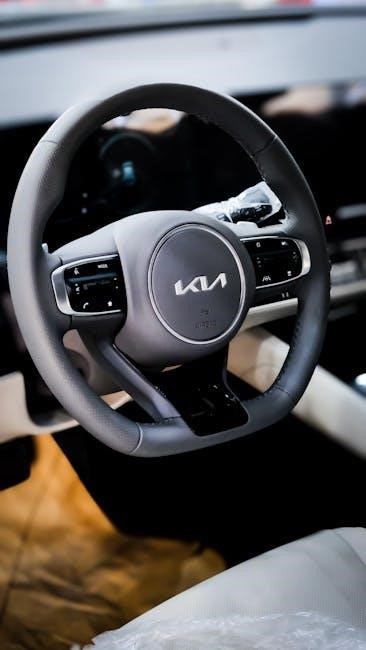
The automotive industry has witnessed a significant decline in the overall demand for manual transmissions, particularly within the performance sedan segment. While a dedicated group of driving enthusiasts consistently expresses a desire for traditional stick shifts, the broader consumer market increasingly favors the convenience and technological prowess of automatic gearboxes. Modern automatic transmissions, including the sophisticated units found in performance vehicles, often deliver superior acceleration, fuel efficiency, and smoother shifts compared to their manual counterparts. This market trend made it challenging for manufacturers like Kia to justify the substantial research, development, and production costs associated with offering a manual option for a relatively niche model like the Stinger. The prevailing preference for automatics, driven by both performance and comfort factors, ultimately shaped Kia’s decision to equip all Stinger models exclusively with an automatic transmission, aligning with current market realities.
Performance Optimization with Automatic Transmissions
Kia’s decision to equip the Stinger exclusively with an advanced automatic transmission was a strategic move aimed at maximizing its performance capabilities. Modern automatic gearboxes, especially the 8-speed unit found in the Stinger, are engineered to deliver lightning-fast and consistently precise shifts, often surpassing human capabilities with a manual transmission. This optimization ensures that the engine’s power band is always utilized effectively, leading to quicker acceleration times and seamless power delivery. Features like the shift-by-wire system enhance responsiveness and allow for sophisticated electronic control over gear changes, contributing to both efficiency and dynamic driving. Furthermore, the inclusion of a centrifugal pendulum absorber within the transmission system aids in reducing vibrations and improving overall refinement, a crucial aspect for a performance grand tourer. This focus on automatic transmission technology allows the Stinger to achieve its performance benchmarks reliably and repeatedly.

Owner and Enthusiast Perspectives on Transmissions
Within the Kia Stinger community, there’s considerable dialogue surrounding transmission types. Owners and enthusiasts often share their experiences and preferences, reflecting diverse opinions on the vehicle’s automatic gearbox and frequently discussing hypothetical manual alternatives in forums.
Discussions on Manual Options in Stinger Forums
Within dedicated Kia Stinger forums, the topic of a manual transmission frequently surfaces, revealing a persistent yearning among enthusiasts. Despite the Stinger consistently being offered solely with an automatic gearbox, members actively engage in discussions lamenting the absence of a traditional stick shift. These conversations often revolve around the hypothetical “what if” scenarios, with many expressing a belief that a manual option would elevate the driving experience and appeal to a niche segment of performance car purists. Specific threads, like those on kiastinger.org, delve into the nuances of the “full manual over-ride” feature available on certain model years, such as the 2019 Stinger. However, it’s generally understood that this functionality, while offering more control, is distinct from a true manual gearbox. Discussions highlight the desire for a more direct mechanical connection to the powertrain, often comparing the Stinger’s automatic setup to competitors that provide a third pedal. Owners also share insights on optimizing the automatic’s manual mode using paddle shifters, but the consensus often points to a fundamental difference. The forums serve as a key platform for collective sentiment regarding this design choice.
Information from Kia Stinger Owners Manual
The Kia Stinger Owners Manual serves as the definitive guide for understanding the vehicle’s operational aspects, including its transmission system. As referenced in various forums, like kiastinger.org, owners often consult this document for precise details. The manual explicitly outlines the functionality of the advanced 8-speed automatic transmission, which is standard across all Stinger models. It details the various driving modes, including the “Sport” mode which optimizes shift points for a more engaging experience, and the “Manual Mode” accessible via the steering wheel-mounted paddle shifters. This section clarifies how drivers can manually select gears within the automatic system’s parameters, emphasizing it as an electronic override rather than a mechanical direct-shift mechanism. Crucially, the owners manual contains no instructions or descriptions for a traditional manual gearbox with a clutch pedal, confirming its absence from the factory offering. Instead, it focuses on proper usage, maintenance, and troubleshooting for the sophisticated automatic unit, including features like the shift-by-wire system and its operational safeguards. Owners find detailed explanations of the gear selector operation and any specific driving tips related to the automatic transmission’s performance.