Subrahmanya Ashtakam, a revered hymn, gains accessibility through Telugu PDF versions, fostering devotional practice. Modern digital platforms enhance its reach, mirroring ancient traditions and offering convenient study.
Historical Significance of the Ashtakam
The Subrahmanya Ashtakam’s origins are deeply rooted in Hindu devotional literature, though pinpointing an exact date remains challenging. Its significance lies in its enduring popularity across centuries, particularly within Telugu-speaking regions where the deity Lord Subrahmanya (Murugan/Kartikeya) holds immense reverence. The availability of the Ashtakam in Telugu PDF format represents a modern continuation of this historical transmission, allowing wider access to the verses.
Historically, such hymns were propagated orally and through handwritten manuscripts. The shift to digital PDFs signifies a democratization of knowledge, preserving the text from degradation and enabling global dissemination. The Telugu translation itself reflects a specific historical and linguistic context, showcasing the evolution of the language and devotional practices over time. Its continued presence in digital form underscores its lasting cultural importance.
The Deity: Lord Subrahmanya
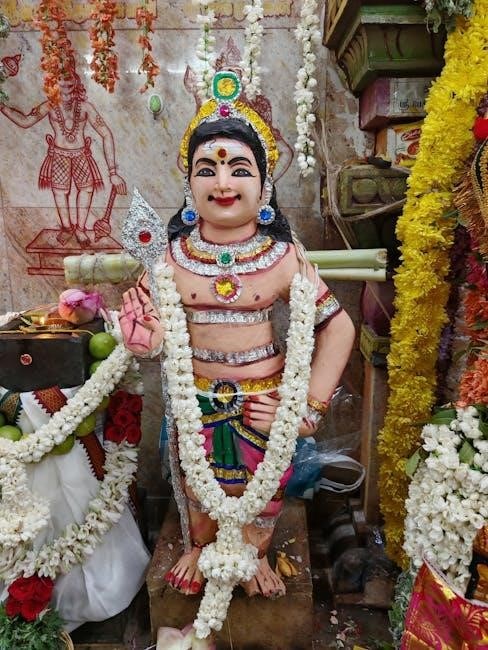
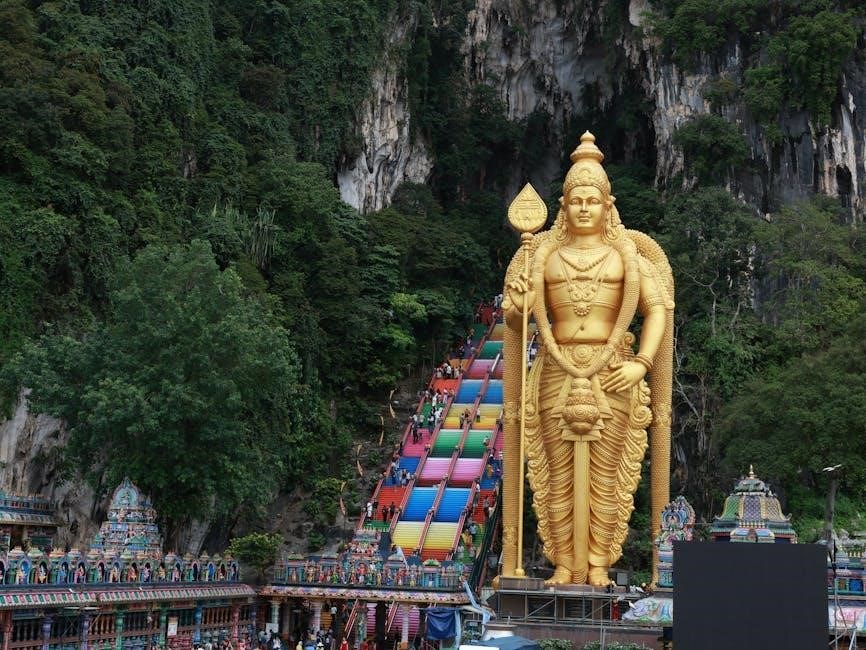
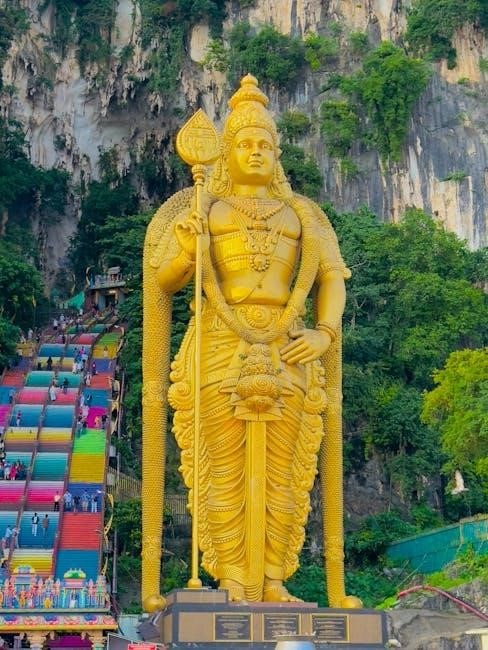
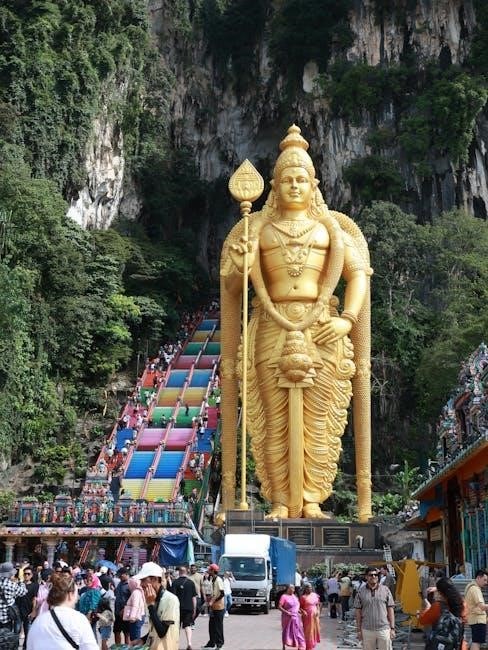
Lord Subrahmanya, also known as Murugan or Kartikeya, is a prominent deity in Hinduism, particularly revered in South India. He embodies courage, wisdom, and youthful energy. The Subrahmanya Ashtakam is dedicated to praising his virtues and seeking his blessings. The Telugu PDF versions of the hymn often include depictions and descriptions of his iconography – typically portrayed with a spear (Vel), symbolizing his power to vanquish evil.
His association with the six faces (Shadanan) represents his all-encompassing nature and ability to perceive the universe from multiple perspectives. The availability of the Ashtakam in Telugu PDF format allows devotees to connect with these symbolic representations and deepen their understanding of the deity’s multifaceted personality. Recitation is believed to invoke his protective energies and grant spiritual insight.
Origin and Authorship
The precise origin and authorship of the Subrahmanya Ashtakam remain a subject of scholarly discussion, though traditionally attributed to Adi Shankaracharya, a revered Advaita Vedanta philosopher. However, some sources suggest alternative attributions or a more complex history. The Telugu PDF versions circulating today often lack definitive information regarding the original composer, focusing instead on the devotional content itself.
Regardless of its exact origins, the hymn’s enduring popularity speaks to its profound spiritual impact. The availability of the Ashtakam in Telugu PDF format facilitates wider dissemination and preservation of this sacred text. Digital copies ensure accessibility for devotees who may not have access to traditional manuscripts, allowing continued practice and study of this important devotional poem.
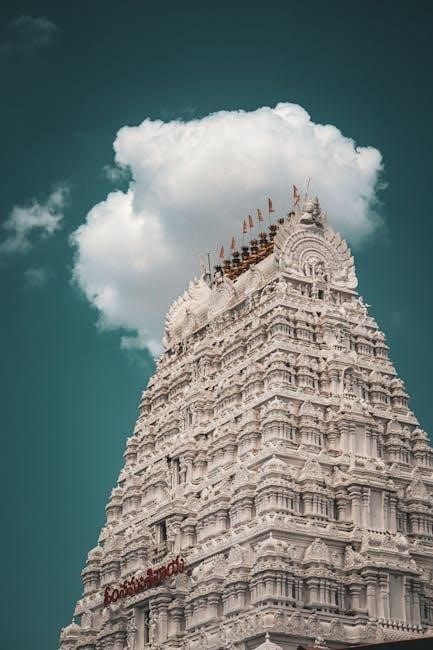
Understanding the Telugu PDF
Subrahmanya Ashtakam Telugu PDFs offer convenient access to the verses, enabling study and recitation. Careful attention to transliteration ensures accurate pronunciation and meaning.
Availability of Subrahmanya Ashtakam in Telugu PDF Format
The Subrahmanya Ashtakam in Telugu PDF format is increasingly accessible online, catering to a growing devotional community. Numerous websites and digital libraries host these PDFs, offering devotees convenient access to this sacred hymn. However, the quality and authenticity of these resources can vary significantly. Some platforms specialize in religious texts, providing verified and accurately transcribed versions.
Others may contain errors or inconsistencies due to digitization processes or unauthorized modifications. The proliferation of online resources necessitates careful discernment when selecting a PDF. Several dedicated Telugu devotional websites and organizations actively maintain and distribute authentic versions of the Ashtakam, ensuring adherence to traditional scripts and interpretations. Furthermore, mobile applications dedicated to Hindu prayers and stotras often include the Subrahmanya Ashtakam in Telugu, downloadable as a PDF or accessible within the app itself.
Sources for Authentic PDFs
Locating authentic Subrahmanya Ashtakam Telugu PDFs requires discerning sources. Reputable websites of established Hindu organizations and temples are prime candidates. Look for sites affiliated with prominent Shaiva or Subramanya temples in Andhra Pradesh and Telangana, as they often provide verified texts. Digital archives of religious literature, maintained by scholarly institutions, can also offer reliable PDFs.
Beware of unofficial websites or those with questionable origins, as they may contain inaccuracies. Checking for a clear copyright notice or attribution to a recognized authority is crucial. Dedicated Telugu devotional blogs and forums, moderated by knowledgeable individuals, sometimes share verified PDFs. Cross-referencing multiple sources to confirm the text’s accuracy is highly recommended. Finally, consider PDFs offered by established publishers specializing in Hindu religious texts, ensuring quality and fidelity to the original verses.
Importance of Correct Transliteration
Accurate transliteration is paramount when studying the Subrahmanya Ashtakam in Telugu PDF format. Correct transliteration ensures the proper pronunciation of mantras and shlokas, vital for effective recitation and deriving spiritual benefits. Errors in transliteration can alter the meaning and potency of the verses, diminishing their impact.
Telugu, with its unique script and phonetic nuances, demands precise representation in Roman script for wider accessibility. A faithful transliteration scheme preserves the original sounds and intonation. When utilizing PDFs, verify that the transliteration follows a standardized system. Incorrectly transliterated PDFs can mislead practitioners, hindering their understanding and devotional practice. Prioritize resources that demonstrate meticulous attention to linguistic accuracy, safeguarding the integrity of this sacred hymn.
Content Analysis of the Ashtakam
Subrahmanya Ashtakam’s eight verses, available in Telugu PDF, detail Lord Subrahmanya’s glory, attributes, and protective power, offering a pathway to devotion and spiritual upliftment.
The Eight Verses: A General Overview
The Subrahmanya Ashtakam, readily accessible in Telugu PDF format, comprises eight verses, each a distinct offering of praise and devotion to Lord Subrahmanya. These verses aren’t merely poetic expressions; they are carefully constructed stanzas designed to invoke the deity’s blessings and illuminate his divine qualities. The initial verses typically serve as an invocation, establishing the auspiciousness of the hymn and describing the Lord’s radiant form. Subsequent verses delve into his attributes – his power, his wisdom, and his role as a protector.
The Telugu PDF versions often include transliteration and translations, aiding comprehension for those unfamiliar with Sanskrit. The verses progressively build a comprehensive portrait of Lord Subrahmanya, culminating in a concluding prayer expressing gratitude and seeking continued grace. Studying these verses, particularly through accessible PDFs, allows devotees to deeply connect with the deity’s essence and experience the transformative power of the Ashtakam.
Verse 1: Invocation and Description
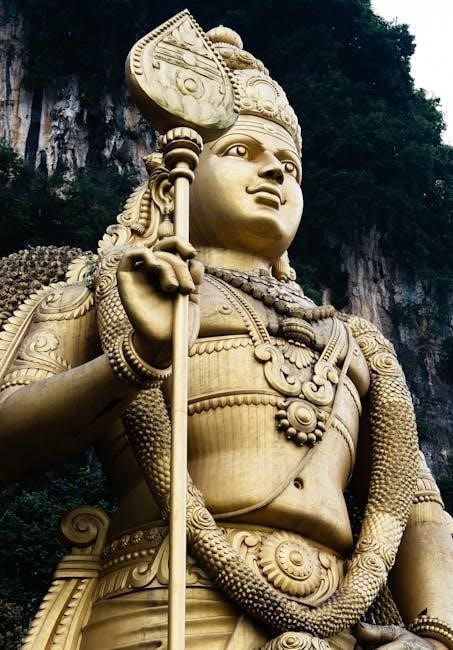
The opening verse of the Subrahmanya Ashtakam, found within Telugu PDF renditions, functions as a reverent invocation, establishing a sacred atmosphere. It typically begins by addressing Lord Subrahmanya with honorifics, acknowledging his divine presence and seeking his benevolent attention. The verse often vividly describes the Lord’s physical appearance – his radiant complexion, his six faces, and his powerful form.
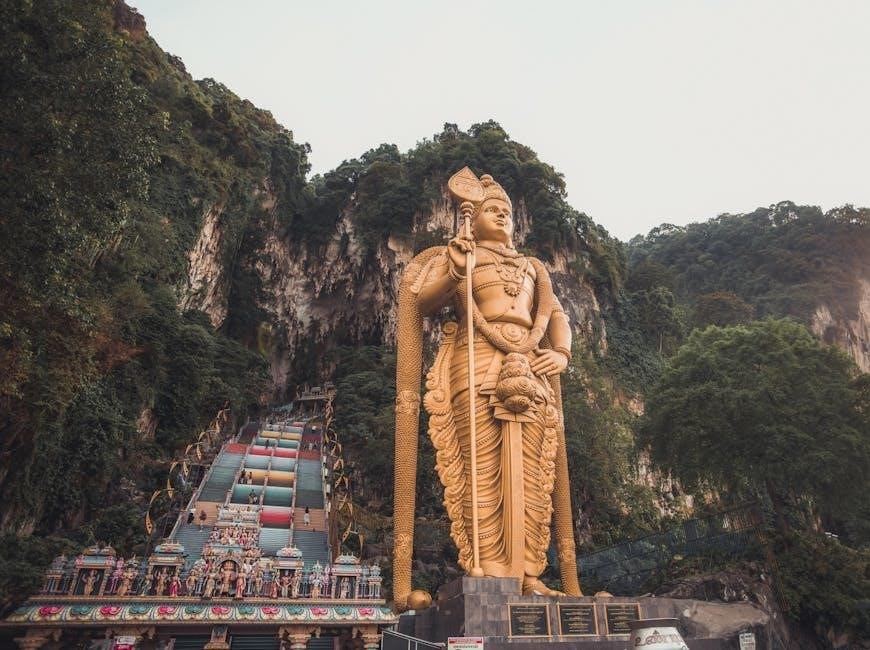
Telugu PDFs frequently provide transliteration alongside translations, allowing readers to appreciate the original Sanskrit while understanding its meaning. This initial description isn’t merely aesthetic; it’s intended to evoke a mental image of the deity, fostering devotion. The verse sets the tone for the entire Ashtakam, preparing the devotee for a deeper exploration of Lord Subrahmanya’s attributes and glories, readily available through these digital resources.
Verse 2: Lord Subrahmanya’s Attributes
The second verse of the Subrahmanya Ashtakam, accessible in Telugu PDF formats, delves into the remarkable attributes of Lord Subrahmanya. It highlights his role as the destroyer of evil, particularly the demon Taraka, emphasizing his courage and power. This verse often details his association with fire, representing purification and transformation.
Telugu PDFs often include explanatory notes alongside the verses, clarifying the symbolism behind these attributes. The verse frequently praises his wisdom, his mastery of the Vedas, and his compassionate nature. It establishes him not just as a warrior, but as a benevolent guide. Studying this verse through a Telugu PDF allows devotees to understand the multifaceted nature of the deity, appreciating his strength, intelligence, and grace, all within a culturally relevant context.
Verse 3: Depiction of His Form
Verse three of the Subrahmanya Ashtakam, readily available in Telugu PDF versions, provides a vivid depiction of the Lord’s physical form. It often describes his radiant complexion, typically golden or reddish, symbolizing energy and power. The verse details his six faces, representing his ability to perceive all directions and dimensions simultaneously, and his twelve arms, wielding various weapons signifying his mastery over different forces.
Telugu PDFs frequently accompany this verse with visual representations – images or paintings – illustrating the described form. The peacock, his vahana (mount), is also prominently featured, symbolizing overcoming ego and vanity. The verse emphasizes his youthful appearance, embodying eternal vigor. Accessing this description through a Telugu PDF enhances understanding of the iconography and symbolism associated with Lord Subrahmanya’s divine form, deepening devotional experience.
Verse 4: His Power and Glory
Verse four of the Subrahmanya Ashtakam, easily found within Telugu PDF resources, powerfully proclaims the Lord’s immense strength and unparalleled glory. It details his victories over demonic forces, particularly the demon Surapadman, highlighting his role as a cosmic warrior and protector of the righteous. The Telugu PDFs often emphasize the significance of his Vel (spear), a symbol of his divine power and ability to vanquish evil.
This verse frequently uses evocative language to convey his supreme authority and the awe he inspires. Studying the Telugu translation within the PDF allows for a nuanced understanding of the poetic expressions used to depict his magnificence. It underscores his role as a destroyer of obstacles and a bestower of blessings, reinforcing his position as a powerful deity worthy of devotion and reverence.
Verse 5: Seeking His Blessings
Verse five of the Subrahmanya Ashtakam, readily accessible in Telugu PDF formats, centers on the devotee’s earnest plea for divine grace. It’s a heartfelt supplication, expressing humility and a deep longing for Lord Subrahmanya’s blessings. The Telugu PDFs often highlight the specific benefits sought – wisdom, prosperity, protection from harm, and liberation from the cycle of birth and death.
This verse typically employs language of surrender and devotion, emphasizing the devotee’s complete reliance on the Lord’s compassion. Analyzing the Telugu translation within the PDF reveals the subtle nuances of requesting blessings, often framed as a gift rather than a right. It’s a powerful reminder of the importance of faith and sincere devotion in attaining spiritual fulfillment, making the PDF a valuable resource for practitioners.
Verse 6: The Significance of His Vel (Spear)
Verse six of the Subrahmanya Ashtakam, frequently found in Telugu PDF versions, profoundly explores the symbolism of the Vel, Lord Subrahmanya’s spear. The PDF texts emphasize that the Vel isn’t merely a weapon, but a potent emblem of divine power, representing the destruction of negativity and ignorance. It symbolizes the Lord’s ability to vanquish evil forces and bestow spiritual discernment.
The Telugu translations within these PDFs often detail the Vel’s multifaceted nature – a tool for both protection and liberation. It’s described as a conduit for divine energy, capable of piercing through illusions and revealing the ultimate truth. Studying the verse in the Telugu PDF context reveals how the Vel embodies righteousness, courage, and unwavering devotion, making it a central symbol of Subrahmanya’s grace.
Verse 7: His Role as a Protector
Verse seven, readily accessible within Subrahmanya Ashtakam Telugu PDF resources, beautifully illustrates Lord Subrahmanya’s role as a compassionate protector. These PDFs highlight how the verse depicts Him shielding devotees from all forms of adversity – physical, mental, and spiritual. The Telugu translations often emphasize His unwavering commitment to safeguarding those who seek His refuge.
The text within the PDF versions details how He defends against negative energies, removes obstacles, and grants courage to overcome life’s challenges. Studying this verse reveals Subrahmanya as a benevolent guardian, offering solace and security. The Telugu commentary frequently connects this protective aspect to His role as a destroyer of evil, ensuring the well-being of the righteous and fostering a sense of divine assurance for all devotees.
Verse 8: Concluding Prayer and Gratitude
The final verse of Subrahmanya Ashtakam, easily found within Telugu PDF versions, embodies a heartfelt concluding prayer and profound gratitude. These PDFs showcase how the verse expresses complete surrender to Lord Subrahmanya, acknowledging His divine grace and seeking continued blessings. The Telugu translations often amplify the emotional depth of this offering;
Analysis of the verse within the PDF resources reveals a sincere plea for forgiveness, a reaffirmation of faith, and a hopeful anticipation of future guidance. It’s a culmination of devotion, expressing thankfulness for past mercies and a desire for unwavering connection. The Telugu commentary frequently highlights the importance of humility and sincere devotion when reciting this verse, solidifying the Ashtakam’s power as a complete and fulfilling spiritual practice.
Linguistic Aspects of the Telugu Version
Subrahmanya Ashtakam’s Telugu PDF translations present unique linguistic challenges, requiring careful attention to archaic terms and accurate transliteration for faithful rendering.
Translation Nuances and Challenges
Translating Subrahmanya Ashtakam into Telugu, particularly for PDF dissemination, involves navigating significant nuances. The original Sanskrit verses are rich in symbolism and poetic expression, demanding a translator skilled in both languages and the underlying philosophical concepts. Direct word-for-word translation often fails to capture the essence of the verses, necessitating interpretive choices that balance accuracy with readability.
A key challenge lies in conveying the devotional bhava (emotional state) inherent in the Ashtakam. Telugu, like any language, possesses its own unique idioms and cultural context. Finding equivalent expressions that resonate with Telugu-speaking devotees requires sensitivity and linguistic expertise. Archaic Telugu terms, frequently employed in traditional religious texts, further complicate the process, demanding thorough research and understanding of their historical usage. Ensuring the translated PDF maintains the sanctity and spiritual power of the original is paramount.
Use of Archaic Telugu Terms
Telugu PDFs of the Subrahmanya Ashtakam frequently incorporate archaic terms reflecting the hymn’s traditional origins and the language prevalent during its initial composition and transmission. These terms, while enriching the text’s authenticity, present a challenge for modern readers unfamiliar with classical Telugu vocabulary. Words relating to ritual practices, divine attributes, and poetic meter often fall into this category.
Maintaining these archaic elements is crucial for preserving the Ashtakam’s historical and spiritual context. However, responsible PDF presentations often include glossaries or footnotes explaining these terms, enhancing accessibility. The choice between complete modernization and faithful preservation is a delicate balance. A well-prepared PDF acknowledges the linguistic evolution while respecting the text’s heritage, ensuring both reverence and comprehension for a wider audience.
Pronunciation Guide for Key Mantras
Authentic Telugu PDF versions of the Subrahmanya Ashtakam should ideally include a pronunciation guide for key mantras and shlokas. Accurate pronunciation is vital in mantra recitation, believed to amplify its spiritual efficacy. The transliteration from the Devanagari script to Telugu script, and subsequently to Roman script, can introduce ambiguities.
A comprehensive guide would detail the correct articulation of each syllable, including vowel sounds and consonant combinations specific to Telugu phonetics. Diacritical marks are essential for representing sounds not directly corresponding to English letters. Audio accompaniments, linked within the PDF, would be invaluable. This ensures devotees, even those unfamiliar with Telugu, can recite the Ashtakam with precision and reverence, maximizing its benefits and fostering a deeper connection with Lord Subrahmanya.
Rituals and Practices Associated with the Ashtakam
Subrahmanya Ashtakam recitation, often paired with puja, thrives through Telugu PDF accessibility, enhancing devotional practices and fostering spiritual connection for devotees.
Appropriate Times for Recitation
The Subrahmanya Ashtakam, readily available in Telugu PDF format, benefits from specific recitation timings to maximize its spiritual impact. Traditionally, early mornings, before sunrise, are considered highly auspicious, aligning with the deity’s energetic awakening. Recitation during Brahma Muhurta (approximately 1.5 hours before sunrise) is particularly potent.
Evening hours, specifically during twilight, also offer a favorable time, creating a serene atmosphere conducive to devotion. Tuesdays, dedicated to Lord Subrahmanya, are especially significant for reciting the Ashtakam. Furthermore, during festivals honoring the deity – such as Skanda Shashti – regular recitation amplifies blessings. The accessibility of the Telugu PDF allows for convenient practice at these optimal times, fostering a deeper connection with Lord Subrahmanya.
Methods of Recitation (Individual vs. Group)
The Subrahmanya Ashtakam, easily accessed via Telugu PDF resources, lends itself to both individual and group recitation practices. Individual recitation allows for personal contemplation and a focused connection with the deity, benefiting from the convenience of the digital PDF format. A quiet space and sincere devotion are key.
Group recitation, however, amplifies the collective energy and creates a powerful vibrational field. This is particularly effective during devotional gatherings or temple events. Harmonious chanting, with correct pronunciation guided by the Telugu PDF’s transliteration, enhances the experience. Whether recited individually or collectively, the intention and devotion behind the verses are paramount. Utilizing the Telugu PDF ensures accurate pronunciation and understanding for all participants, fostering a unified spiritual practice.
Benefits of Regular Recitation
Consistent recitation of the Subrahmanya Ashtakam, readily available through Telugu PDF versions, is believed to yield significant spiritual benefits. Devotees report increased mental clarity, emotional stability, and a strengthened connection with Lord Subrahmanya; The verses, when regularly chanted, are thought to remove obstacles and bestow blessings of courage, wisdom, and prosperity.
Accessing the Ashtakam via a Telugu PDF facilitates accurate pronunciation and understanding, maximizing these benefits. Regular practice cultivates a peaceful mind and fosters devotion. It’s believed to protect against negative energies and promote overall well-being. The consistent engagement with the sacred text, aided by the convenience of the PDF, deepens faith and unlocks inner potential, leading to a more fulfilling life.
Combining Recitation with Puja
Enhancing the efficacy of Subrahmanya Puja involves integrating the recitation of the Ashtakam, conveniently accessed through Telugu PDF formats. During puja, chanting the verses while offering flowers, incense, or performing arati amplifies the devotional experience and strengthens the connection with Lord Subrahmanya.
The Telugu PDF ensures correct pronunciation, vital for mantra efficacy. Recitation during puja is believed to purify the environment and attract divine grace. It’s recommended to recite specific verses aligned with the puja’s intent – for example, verses focusing on protection during a protective ritual. Combining the visual aspects of puja with the auditory power of the Ashtakam creates a synergistic effect, deepening devotion and accelerating spiritual progress. This practice fosters a holistic and immersive worship experience.
Advanced Study and Interpretation
Subrahmanya Ashtakam’s Telugu PDF facilitates deeper analysis, exploring symbolism and connections to Shaiva-Vaishnava traditions through scholarly commentaries and linguistic nuances.
Commentaries and Scholarly Analyses
Delving into the Subrahmanya Ashtakam through Telugu PDF resources unlocks a wealth of scholarly interpretations. Traditional commentaries, often found accompanying these digital texts, provide contextual understanding of each verse, linking them to broader philosophical tenets of Shaivism. Modern analyses, increasingly available online, explore the Ashtakam’s poetic structure and its nuanced portrayal of Lord Subrahmanya’s attributes.
Researchers examine the Telugu translation itself, noting variations and their impact on meaning. Comparative studies with Sanskrit originals reveal translation choices and their theological implications. Access to these commentaries, facilitated by the PDF format, allows devotees and scholars alike to engage with the Ashtakam on multiple levels – devotional, linguistic, and philosophical. The digital accessibility promotes wider dissemination of these insightful analyses, fostering a deeper appreciation for this sacred hymn.
Symbolism within the Verses
The Subrahmanya Ashtakam, accessible via Telugu PDF formats, is rich in symbolic representation. Lord Subrahmanya’s Vel (spear) isn’t merely a weapon, but signifies the power to dispel ignorance. The peacock, His mount, embodies patience and vigilance, while the six faces represent the six primary emotions and the mastery over them. Each verse intricately weaves these symbols, offering layers of meaning beyond the literal.
Scholarly analyses within Telugu commentaries highlight how the verses utilize natural imagery – mountains, rivers, and forests – to symbolize spiritual journeys and divine presence. The Ashtakam’s depiction of fire alludes to transformative energy and purification. Studying the PDF versions allows for close textual examination, revealing these embedded symbols and their contribution to the hymn’s profound spiritual message, enriching devotional practice.
Connection to Shaiva and Vaishnava Traditions
The Subrahmanya Ashtakam, readily available in Telugu PDF versions, occupies a unique space within Hindu theology, bridging Shaiva and Vaishnava traditions. While primarily dedicated to Lord Subrahmanya (Kartikeya), a prominent Shaiva deity, the Ashtakam acknowledges Vishnu and other Vaishnava figures, demonstrating a syncretic approach.
Telugu commentaries found within the PDFs often emphasize Subrahmanya’s role as a divine son of both Shiva and Parvati, solidifying his importance within Shaivism. However, the hymn also recognizes Vishnu’s influence and grace, reflecting a broader Hindu understanding of interconnectedness. This harmonious blend is evident in the verses’ invocations and descriptions, fostering inclusivity. Accessing these PDFs provides insight into this theological nuance, showcasing the Ashtakam’s appeal across diverse devotional paths.